
A Simple Guide to Building a Balanced Meal
By Fresh Fit Foods
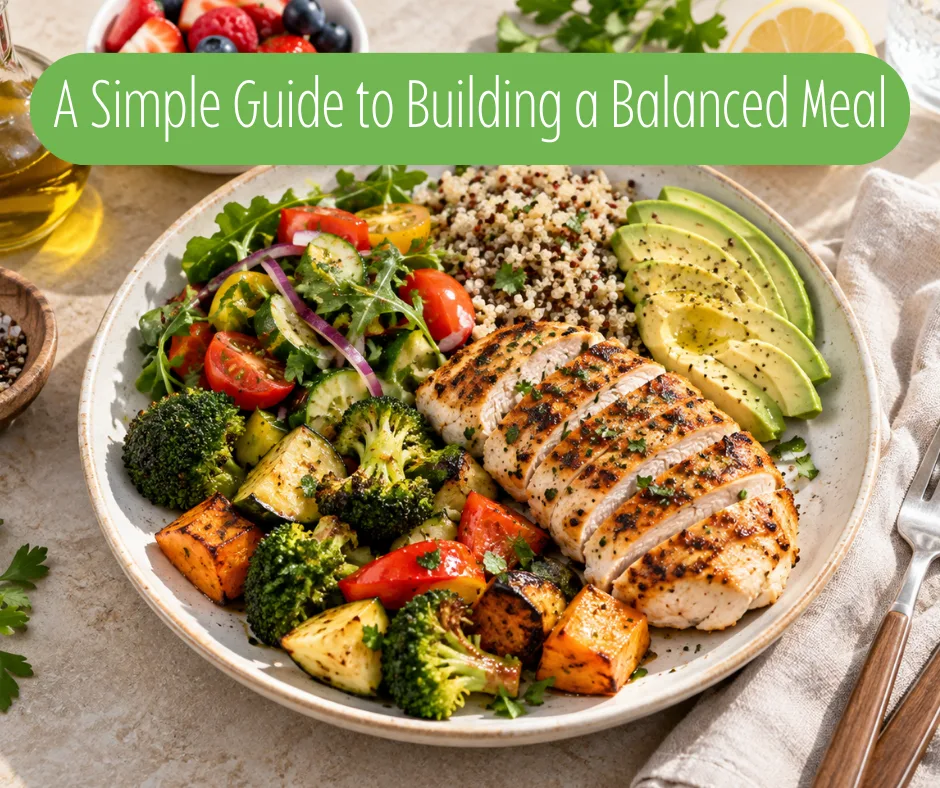
Eating a balanced meal does not require weighing every ingredient, counting every bite or turning dinner into a nutrition equation.
For most everyday meals, it can be much simpler than that.
The goal is to bring together a few different elements that make the meal satisfying, varied and enjoyable: a source of protein, vegetables or fruit, a carbohydrate, and some healthy fats and flavor.
How much of each you need will vary from person to person. Your appetite, activity level, preferences and routine all play a part.
Instead of looking for one perfect formula, think of balance as a flexible starting point you can adapt to the way you actually eat.
Here is a simple way to build a more balanced meal.
Start With a Source of Protein
Protein is often a useful place to start because it gives the meal a clear centerpiece.
Depending on the way you eat, that might include:
- Chicken or turkey
- Fish or seafood
- Eggs
- Lean beef or pork
- Beans or lentils
- Tofu
- Greek yogurt or cottage cheese
- Other plant-based protein sources
You do not need to eat the same protein every day.
Rotating between different options can make meals more interesting and help create variety across the week.
A grilled chicken bowl, lentil curry, salmon dinner and tofu stir-fry may all look completely different, but each begins with the same basic question:
What is my main protein source?
Once you have that, the rest of the plate becomes much easier to build.
If you are looking for more meat-free inspiration, our guide to building balanced, protein-rich plant-based meals has also plenty of ideas for using beans, lentils, tofu, edamame and other plant-based ingredients.
Add Plenty of Vegetables and Color
Vegetables are one of the easiest ways to add variety, texture and color to a meal.
They also do not need to be complicated.
Fresh salad, roasted broccoli, sautéed peppers, green beans, carrots, squash, tomatoes or a simple vegetable medley can all work.
Try changing both the vegetables and the way you prepare them.
Broccoli roasted with seasoning feels very different from broccoli in a stir-fry. Raw peppers add crunch to a salad, while roasted peppers bring sweetness to a warm dinner.
A useful habit is simply to look at your plate and ask:
Where is the color?
If most of the meal is beige or brown, adding one or two vegetables can quickly make it feel more varied.
Fruit can play a role too. Fresh berries with breakfast, apple in a salad or fruit alongside lunch can be another simple way to add variety across the day.
The goal is not to fit every possible vegetable into one meal. It is to build enough variety over time that eating well never feels like repeating the same plate.
Include a Satisfying Carbohydrate
Carbohydrates sometimes get treated as something that needs to be removed from a meal, but they can be a perfectly normal part of a balanced plate.
Rice, potatoes, sweet potatoes, pasta, quinoa, bread and other grains can all provide a satisfying base.
The key is thinking about how the different parts of the meal work together.
For example:
Chicken + roasted vegetables + rice
Salmon + green beans + potatoes
Tofu + broccoli + quinoa
Turkey meatballs + vegetables + pasta
None of those meals needs to be complicated.
They simply bring together protein, produce and a carbohydrate in a way that feels complete.
The amount you choose can also change depending on your appetite, activity level and the rest of the meal. There does not need to be one serving size that works for everybody.
Remember Healthy Fats and Flavor
A balanced meal still needs to taste good.
Healthy fats and flavorful ingredients can help turn a plate of individual components into something you actually look forward to eating.
That might include:
- Avocado
- Olive oil
- Nuts and seeds
- Hummus
- Pesto
- Herbs and spices
- Dressings, sauces and vinaigrettes
You may not need a large amount.
A drizzle of dressing, a few slices of avocado or a sprinkle of seeds can add flavor, texture and richness.
This part matters because healthy eating is much easier to maintain when the food is enjoyable.
If every balanced meal feels like something you are forcing yourself to eat, the routine is unlikely to last very long.
Think About Portions Without Overcomplicating Them
Portion size is where balanced eating can start to feel unnecessarily complicated.
It does not need to.
A simple visual approach can be useful when you are building a plate.
Start with a meaningful portion of vegetables, add your protein, then include a satisfying serving of carbohydrates and any fats or sauces that complete the meal.
The exact proportions do not need to look identical every time.
Breakfast will look different from dinner. A salad will look different from a pasta dish. Someone with a particularly active routine may naturally choose a different portion from someone having a lighter lunch.
Your hunger matters too.
Try paying attention to how meals leave you feeling rather than concentrating only on how they look before you eat them.
If you are regularly hungry again shortly after eating, your meal may need more substance. If you frequently feel overly full, the portions may need adjusting.
Balanced eating is not about creating a perfect plate. It is about finding an amount and combination of food that works for you.
Use Foods You Already Enjoy
Building a balanced meal does not mean replacing everything you like with completely different foods.
Often, the easiest approach is to start with familiar meals and look at what might be missing.
Love pasta?
Keep the pasta and add a protein source and vegetables.
Making tacos?
Combine your protein with vegetables, beans, avocado and the toppings you enjoy.
Having a sandwich for lunch?
Pair it with a salad, vegetables, fruit or another side rather than assuming lunch needs to become something completely different.
Ordering a bowl?
Look for a combination of protein, vegetables, grains and a flavorful sauce.
Small adjustments are often easier to maintain than trying to completely change the way you eat overnight.
That same approach is reflected in Fresh Fit Foods' Healthy Lifestyle Meal Plan, which focuses on balanced everyday meals with rotating proteins, vegetables, sides and flavors.
Look at the Whole Day, Not Just One Plate
Not every meal has to contain everything.
You might have a lighter breakfast and a more substantial lunch. One dinner might contain several vegetables while another is simpler.
That is normal.
Balance becomes much more realistic when you look at what you eat across the day and week rather than judging every individual meal.
Variety matters more than perfection.
If one meal is short on vegetables, add some at the next opportunity. If dinner out is richer than what you normally eat, you do not need to “make up for it” the next day.
Simply return to the routine that works for you.
A Few Simple Balanced Meal Ideas
Sometimes the easiest way to understand meal balance is to see it in practice.
Here are a few straightforward combinations:
Grilled chicken + roasted broccoli + sweet potato + herb dressing
Salmon + brown rice + green beans + lemon
Turkey meatballs + pasta + tomato sauce + roasted vegetables
Tofu + quinoa + broccoli + peppers + sesame dressing
Black beans + rice + roasted vegetables + avocado
Eggs + whole-grain toast + sautéed vegetables + fresh fruit
The combinations can change endlessly.
You can also browse Fresh Fit Foods' weekly menus for more examples of how different proteins, vegetables and sides can work together across a rotating menu.
Make Balance Work for Your Real Life
A balanced meal is only useful if you can realistically fit it into your week.
Some days you may have time to cook everything from scratch. Other days, assembling leftovers, making a quick bowl or reheating a prepared meal may make far more sense.
Planning a few reliable proteins, vegetables and sides ahead of time can make those decisions easier, as can keeping simple staples available that work across several meals.
If the time involved in shopping, preparing and cooking is the bigger challenge, our guide to choosing a healthy meal delivery service covers some of the practical things worth considering.
For busy weeks, fresh chef-prepared meals can also be a convenient way to keep balanced options on hand. You can see how weekly meal delivery works, with delivery and pickup available across Naples, Bonita Springs, Estero and Fort Myers.
The aim is not to create the most impressive plate. It is to make balanced eating feel normal enough to work on busy Mondays, late work nights and days when cooking is the last thing you want to do.
Keep It Simple
When you are unsure where to start, come back to the basics:
Protein. Produce. Carbohydrates. Healthy fats. Flavor.
You do not need every meal to look exactly the same, and you do not need to follow a rigid formula.
Build around foods you enjoy, choose portions that leave you satisfied and aim for variety across the week.
A balanced meal should support your routine — not make your routine more complicated.
Ready to eat fresh?
Build your meal plan in minutes and get chef-prepared meals delivered to your door.
Find your meal plan